Campus:
NES International School Mumbai,
Opposite Sardar Pratap Singh Garden,
Agrawal Road, Near Swapna Nagari,
Mulund West, Mumbai 400082.
Opposite Sardar Pratap Singh Garden,
Agrawal Road, Near Swapna Nagari,
Mulund West, Mumbai 400082.
See on Map
The International Baccalaureate (IB) curriculum is known for its inquiry-based approach, global perspective, and focus on developing critical thinking and problem-solving skills. If you're planning to enroll your child in an IB school, understanding the admission eligibility criteria can help you prepare for a smooth application process.
Although admission requirements vary slightly from one school to another, most IB schools consider factors such as age, previous academic records, required documents, and student assessments. This guide explains everything parents need to know before applying for the 2027–28 academic year.
One of the key eligibility criteria for IB Board admissions is the child's age. Since the IB curriculum is divided into different programmes, the age requirement depends on the programme your child is applying for.
While these are the standard age ranges, the exact age criteria may vary slightly depending on the school's admission policy. Parents are advised to check the school's grade-wise age guidelines before applying.
Academic records help the school understand whether a student is ready to transition into the IB curriculum.
Submitting the required documents is an essential part of the admission process. Parents are generally required to provide the following documents during the IB admission process:
Parents whose children are shortlisted for admission may be required to submit the original documents along with the completed admission form for verification. Additional documents may also be requested depending on the grade and the school's admission requirements.
This is one of the most frequently asked questions by parents. The answer is not always. For younger students, especially those applying to the Primary Years Programme, most IB schools prefer informal interactions instead of written entrance tests.
For older students applying to the Middle Years Programme or Diploma Programme, at IB schools may conduct:
The objective is to understand how the school can support their learning journey.
Many IB schools conduct assessments or interactions as part of the admission process. These are designed to understand the student's learning level and determine the right academic support.
Depending on the grade, the admission process may include:
For younger children, schools usually focus on communication skills, curiosity, confidence, and readiness to learn. For students applying to higher grades, assessments help determine whether they are prepared for the IB curriculum. At some IB schools, students applying from Grades 1 to 9 may be required to complete English, Sciences and Mathematics assessments as part of the admission process.
Yes. Most IB schools accept students transferring from CBSE, ICSE, State Boards, Cambridge, and other recognised boards, subject to seat availability.
During the admission process, schools may consider:
Many international schools also offer admissions throughout the year to support families relocating within India or from overseas, provided seats are available.
Before applying for admission, parents should take a few important steps:
IB Board admissions require careful planning and preparation. Understanding the eligibility criteria, age requirements, required documents, and admission process can help parents make informed decisions and ensure a smoother application experience.
While admission requirements may vary from one IB school to another, applying early, keeping the necessary documents ready, and understanding the school's admission process can make the journey much easier for both parents and students.
At NES International School Mumbai, we believe every child has unique potential. As an IB Continuum School, we provide a nurturing learning environment that supports students from the Early Years Programme through the Diploma Programme. Our admissions team is here to guide parents at every step, making the transition into the IB curriculum as smooth and transparent as possible.
If you're exploring IB schools in Mumbai, connect with NES International School Mumbai to learn more about our admission process and discover how we can support your child's educational journey.
To be eligible for IB Board admission, a child must meet the age requirements for the respective programme, satisfy the school's admission criteria, submit the required documents, and, for higher grades, provide previous academic records. Depending on the grade, students may also be required to participate in an interaction or assessment as part of the admission process. To learn about the admission process at NES International School Mumbai , visit our Admission Page.
Not necessarily. Younger students usually attend an interaction, while older students may have an assessment or interview depending on the programme.
Yes. Students from ICSE, CBSE, State Boards, and other recognised curricula can apply for admission to an IB school, provided they meet the school's eligibility requirements.
The required documents generally include the student's birth certificate, passport or Aadhaar Card of the student and parents, passport-size photographs, previous academic report cards (where applicable), and a Transfer Certificate for students changing schools.
Children can begin the IB journey from approximately 3 years of age through the Early Years Programme, subject to the school's age criteria.
Yes. The IB Diploma Programme (DP) is recognised by leading universities across India and around the world. Its internationally recognised qualification helps students meet admission requirements for many higher education institutions, subject to each university's eligibility criteria.
Please fill the Enquiry form and our admissions team will get in touch with you.
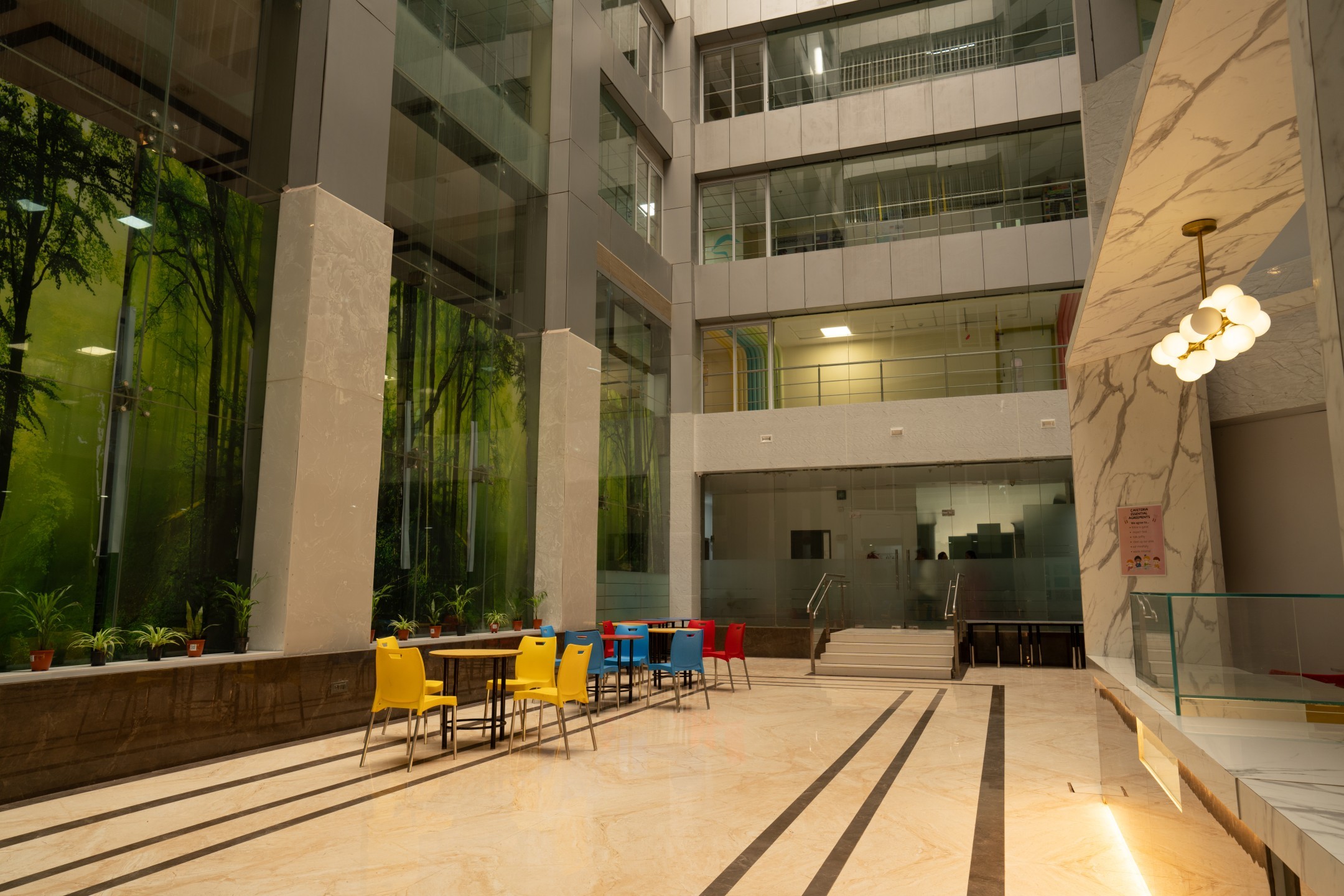
To schedule a visit to our NESISM School Campus in Mumbai.


.png)